Call: 08071725022
 Send Inquiry
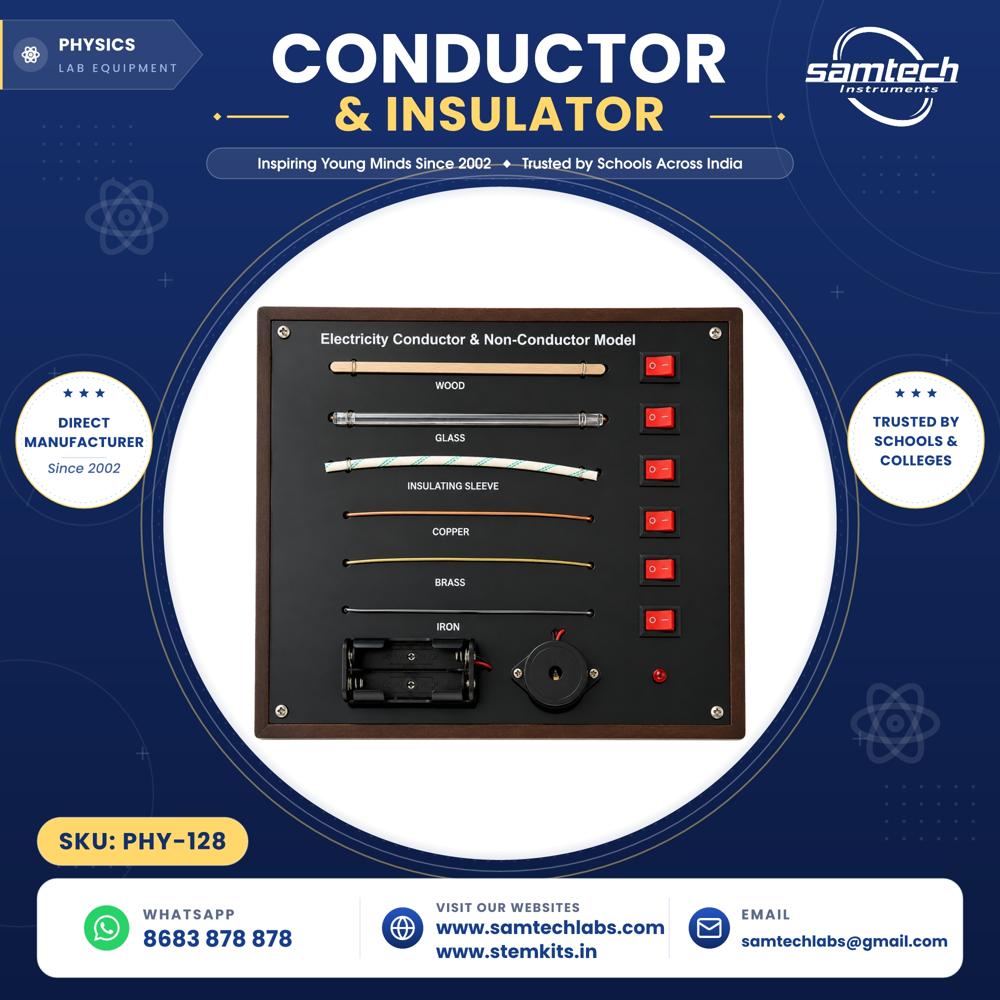
We are a leading manufacturer, supplier, and exporter of Electricity Conductor & Non-Conductor Models designed for physics laboratories, science classrooms, STEM education, and electrical concept demonstrations. This educational model helps students understand the difference between materials that conduct electricity and those that act as insulators.
The Electricity Conductor & Non-Conductor Model includes various sample materials such as wood, glass, insulating sleeve, copper, brass, and iron mounted on a durable display board. By testing each material in a simple electrical circuit, students can easily identify which materials allow electric current to pass and which materials resist the flow of electricity.
This hands-on apparatus provides an engaging way to learn the fundamental concepts of conductors, insulators, and electrical conductivity.

Price:
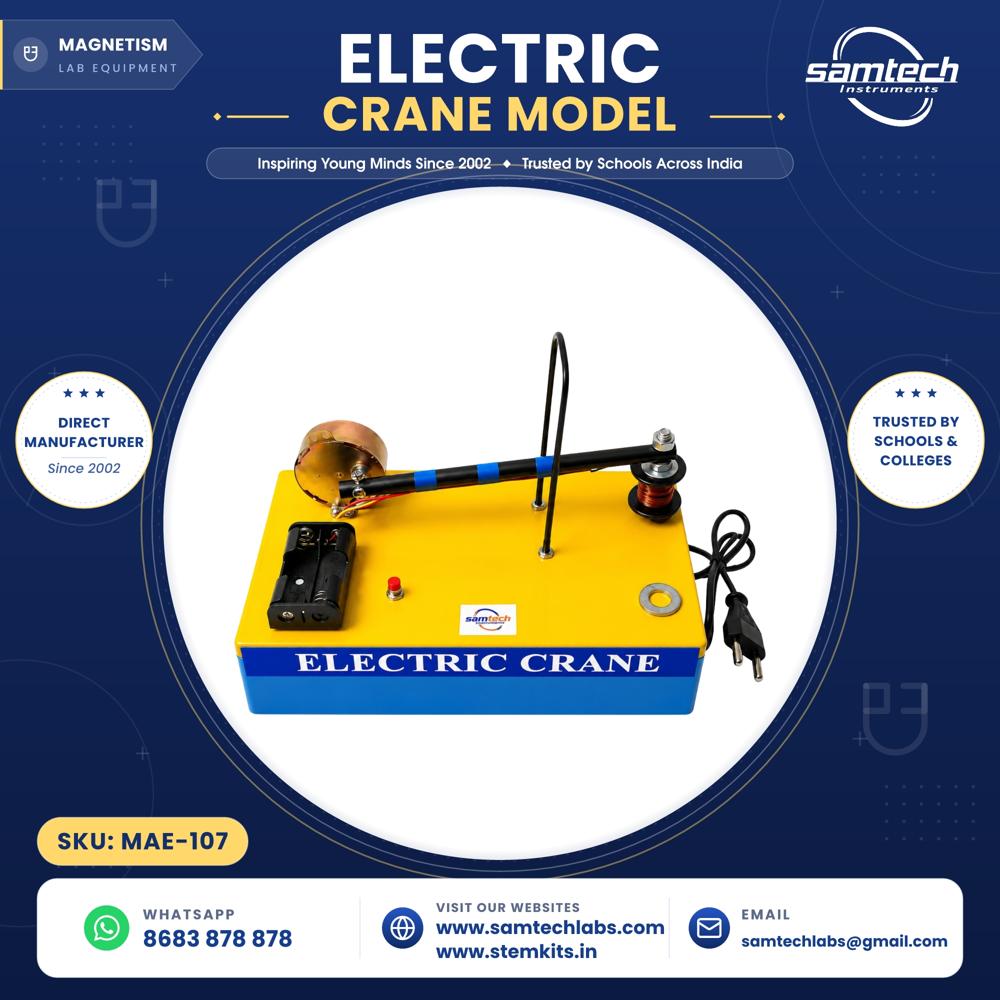
Price 475.0 INR / Piece
Minimum Order Quantity : 50 Pieces
Weight : Approx 120 kg
Core Components : Motor, Gear Box, Hook, Control Panel
Dimension (L*W*H) : 1100 x 500 x 800 mm
Power Source : Electric
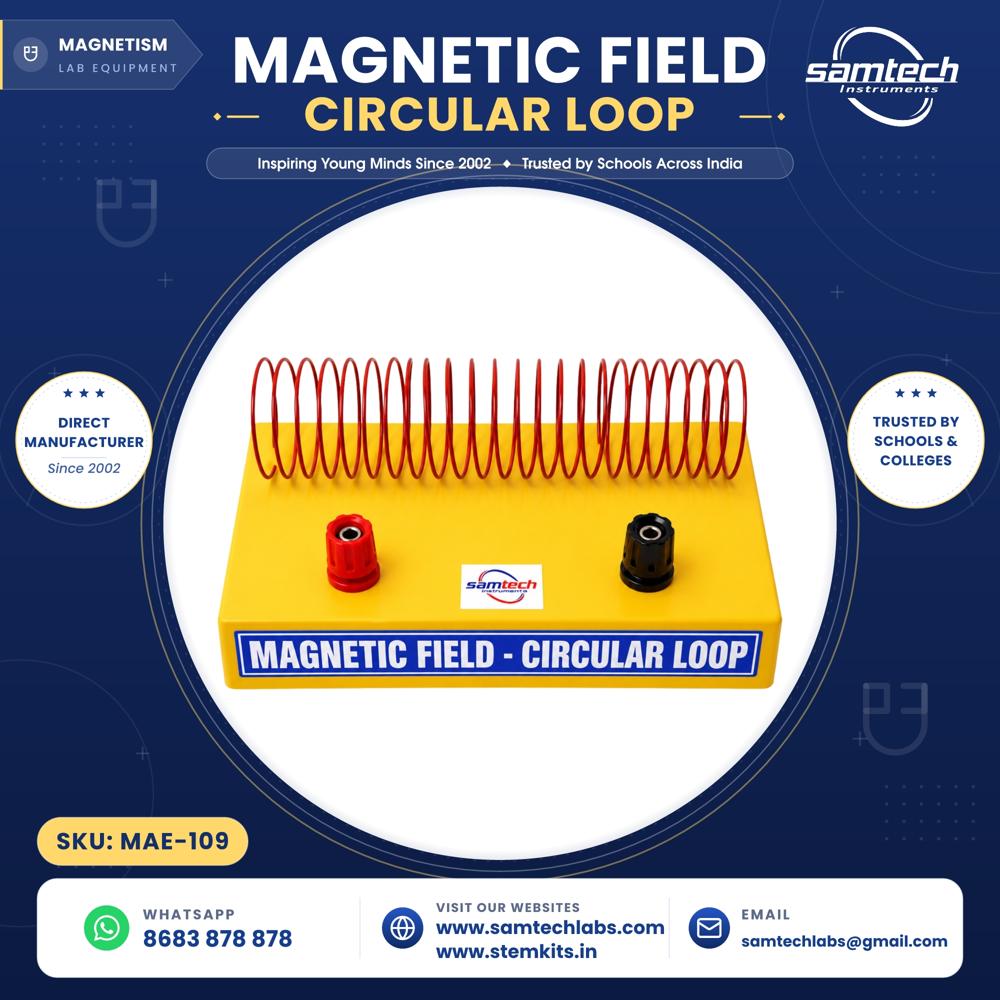
Price 275.0 INR / Piece
Minimum Order Quantity : 50 Pieces
Weight : Approx. 0.51 kg
Core Components : Circular Copper Wire Loop, Base, Power Supply Terminals
Dimension (L*W*H) : Approx. 18 x 18 x 10 cm
Power Source : External DC Power Supply Required
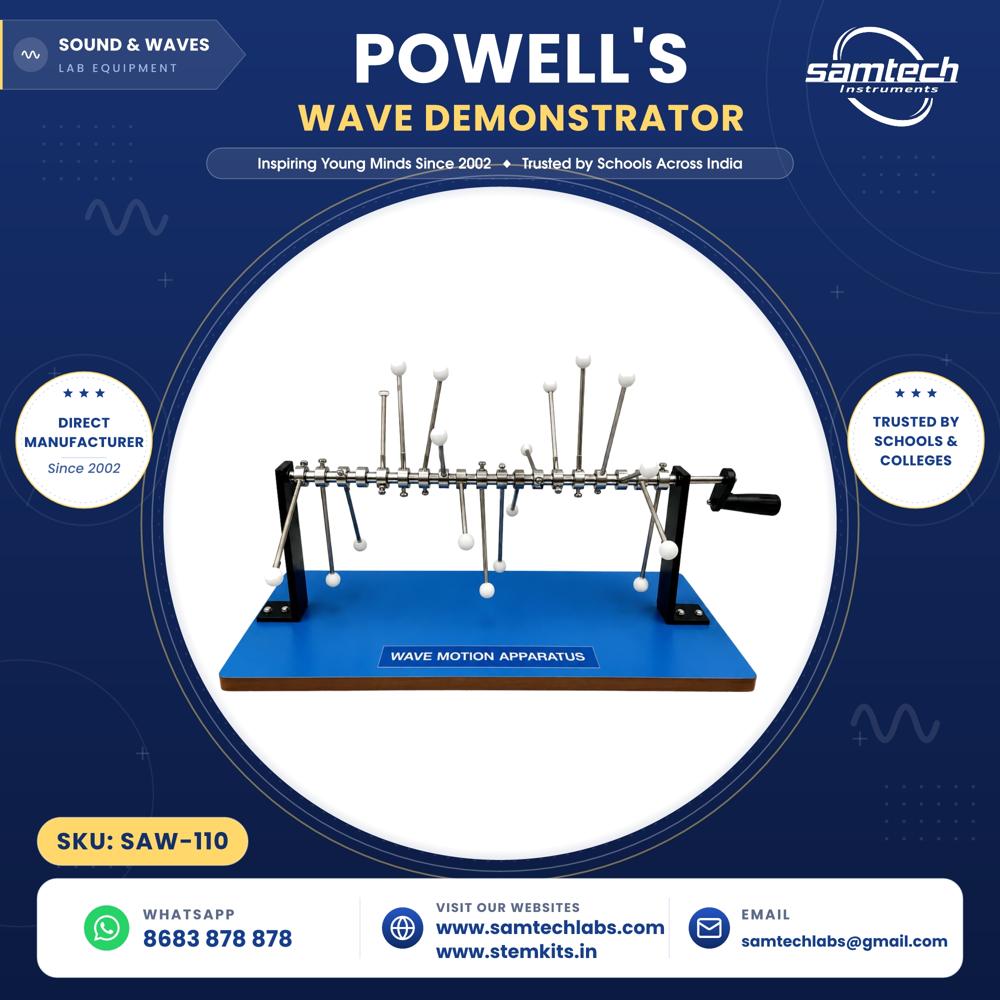
Price 750.0 INR / Piece
Minimum Order Quantity : 50 Pieces
Weight : Approx. 23 kg
Core Components : Metal rods (wave forms), acrylic base, clamps
Dimension (L*W*H) : Approx. 600 x 120 x 150 mm
Power Source : Manual (nonelectric)
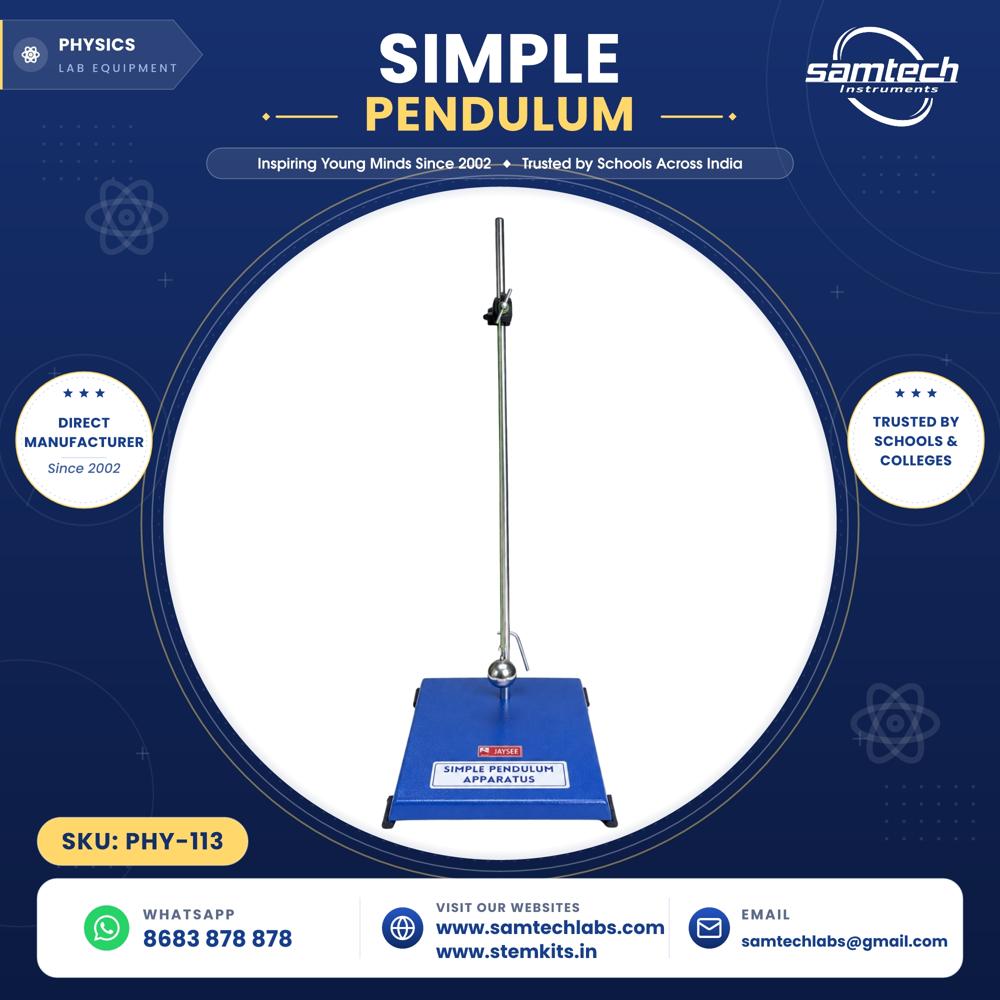
Price 275.0 INR / Piece
Minimum Order Quantity : 50 Pieces
Weight : Approx. 250350 gm (with stand and accessories)
Core Components : Metal pendulum bob, thread, stand, scale, clamp
Dimension (L*W*H) : Approx. 20x10x30 cm (assembled)
Power Source : Not required (manual)
GST : 06AIGPS9191Q1Z7


 Send Inquiry

 Send Inquiry